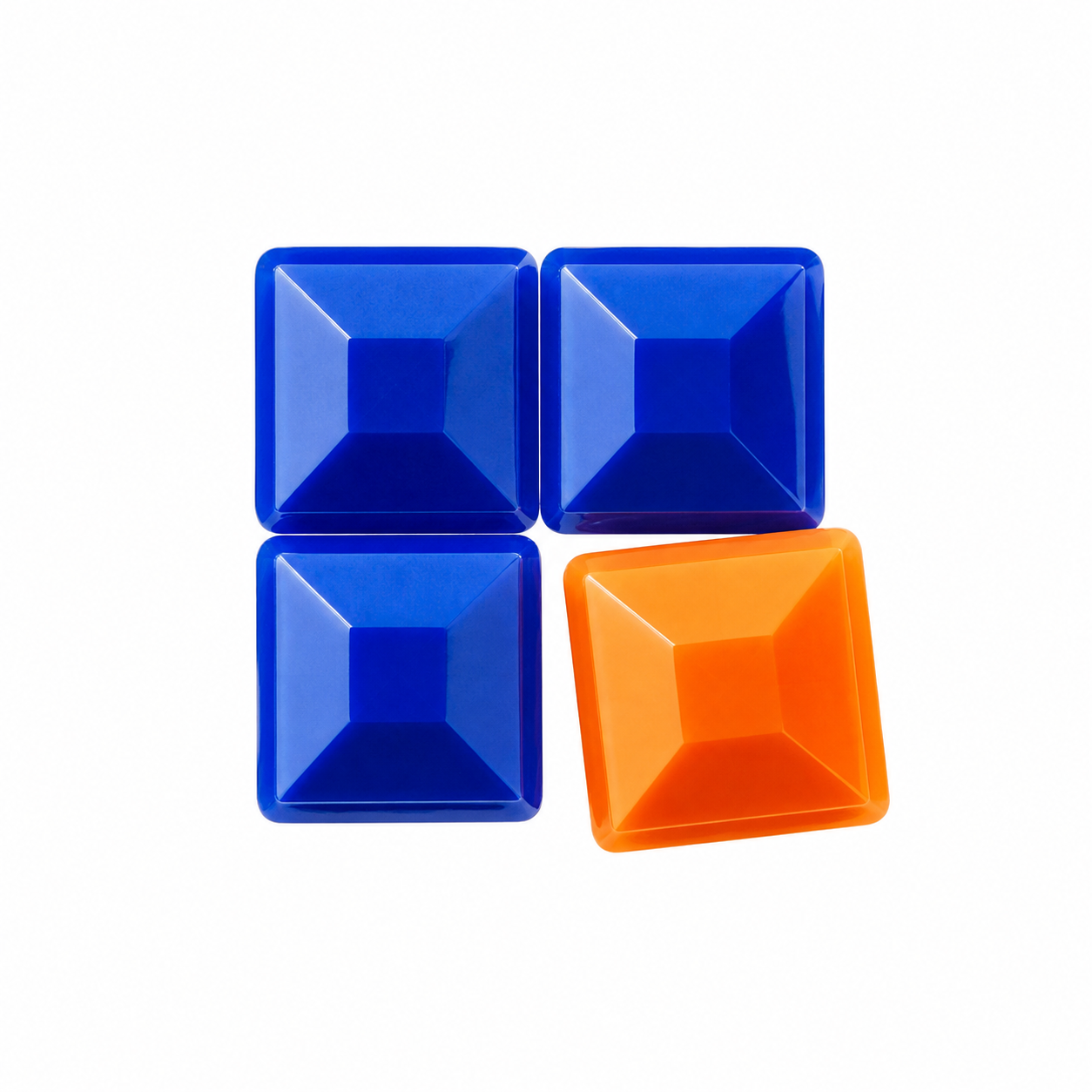
 Diamond Painting Tool
What Is Diamond Painting? A Practical Beginner Answer
Diamond painting is a mosaic craft in which you place small resin drills on a coded adhesive canvas. Each printed symbol identifies a colour, and a hollow pen transfers drills from a ridged tray to the matching squares or circles.
Use this diamond painting page as a workbench note: test the smallest change on a short section, observe the result and keep the original kit parts until the canvas is complete. The advice below avoids universal product claims because drill size, adhesive and included tools vary between kits.
The kit in one minute
A typical kit contains the printed canvas, sorted colour packets, a tray, wax and an applicator pen. Some include tweezers, spare bags or a multiplacer. The legend links symbols to colour codes; keep it visible and label every opened packet.
Check the change on a covered, well-lit area before continuing across the canvas. Keep the legend and spare drills nearby, and stop when extra pressure starts moving neighbouring pieces. A controlled trial takes less time than repairing a full block.
Your first twenty minutes
Flatten the protected canvas, expose a small corner and choose one colour. Shake a shallow layer of drills into rows, load the pen and place against the printed guide. Cover the adhesive whenever you stop.
Check the change on a covered, well-lit area before continuing across the canvas. Keep the legend and spare drills nearby, and stop when extra pressure starts moving neighbouring pieces. A controlled trial takes less time than repairing a full block.
Round and square drills
Round pieces forgive rotation and leave small background spaces. Square pieces tile edge to edge but need more alignment. Neither is a skill test. Choose the rhythm and finish you prefer, then use the dedicated comparison before ordering a custom project.
Check the change on a covered, well-lit area before continuing across the canvas. Keep the legend and spare drills nearby, and stop when extra pressure starts moving neighbouring pieces. A controlled trial takes less time than repairing a full block.
What usually goes wrong
A packed pen tip stops picking up, open bags spill and a crooked first row shifts later lines. Work in small sections and change one variable at a time. The mistakes index links each symptom to a specific repair.
Check the change on a covered, well-lit area before continuing across the canvas. Keep the legend and spare drills nearby, and stop when extra pressure starts moving neighbouring pieces. A controlled trial takes less time than repairing a full block.
What to buy next
Finish one section with the included equipment. If grip, visibility, sorting or placement control repeatedly interrupts you, choose one targeted upgrade from the tool-kit checklist. A bigger accessory bundle is not a substitute for a tidy process.
Check the change on a covered, well-lit area before continuing across the canvas. Keep the legend and spare drills nearby, and stop when extra pressure starts moving neighbouring pieces. A controlled trial takes less time than repairing a full block.
Use this diamond painting advice on your project
The right diamond painting decision depends on the interruption you can see: comfort, visibility, sorting, alignment or project scale. Write down the symptom, change one part and review it after a normal session. That process gives you a sound answer without an oversized shopping list.
Continue with starter checklist, round versus square guide, or open the mistakes index.
A quick bench check
Complete one symbol in a hand-sized corner, return the leftovers to their labelled container and cover the canvas. That cycle contains the core craft and reveals whether sorting, visibility or grip needs attention. Keep the result with the project notes so a later session starts from evidence rather than memory.
Relevant owned next step
If placing drills does not suit the way you want to work, compare the process with painting numbered areas. Nummerschilderen.com is an owned Dutch shop for that different craft; it does not replace the diamond-painting tool guidance on this page.