 Diamond Painting Tool
Round vs Square Drills: Choose for Your Project
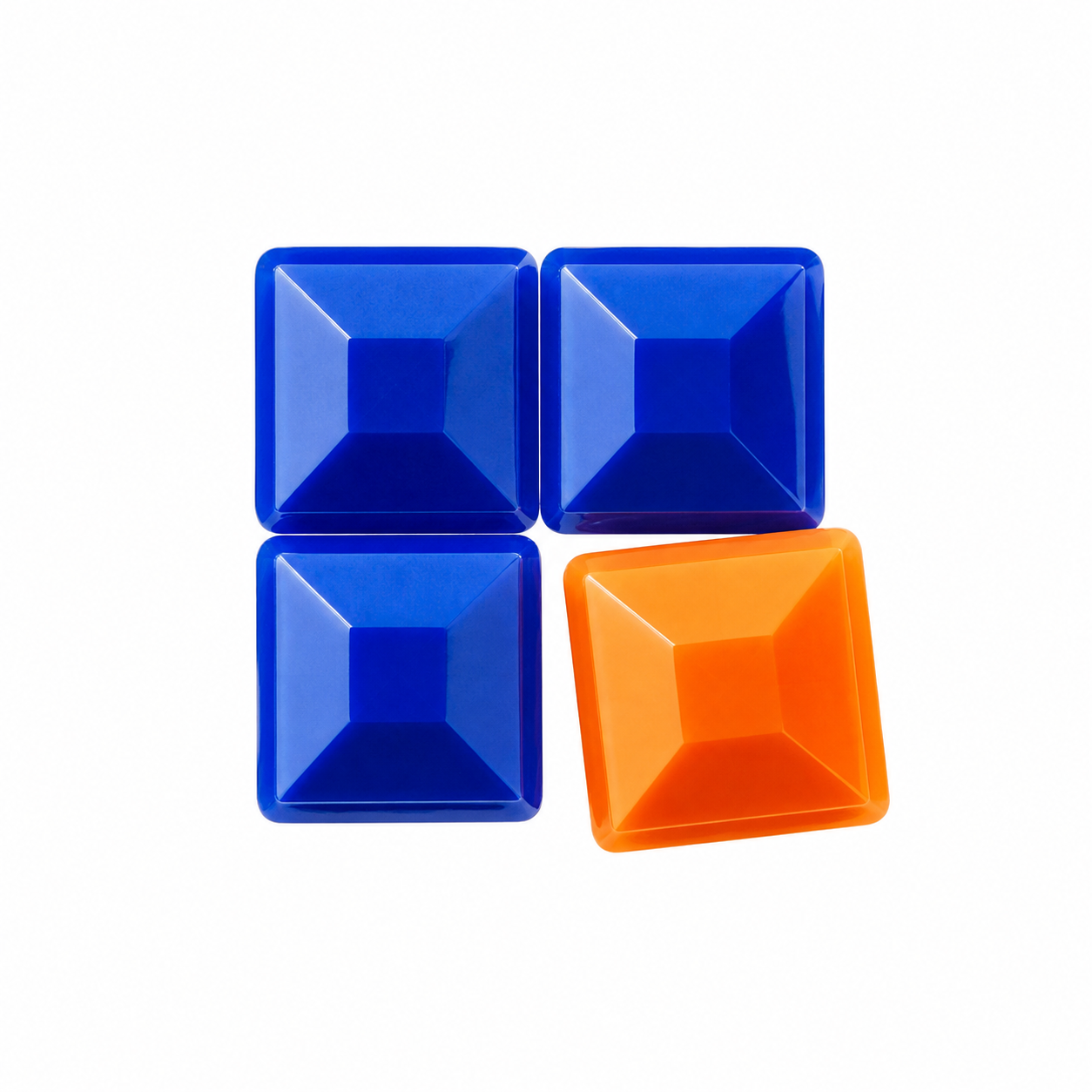
Round vs square drills is a choice between easier placement and a denser tiled finish. Round drills leave small visible spaces and usually suit a relaxed first project; square drills meet edge to edge and reward careful alignment.
Use this round vs square drills page as a workbench note: test the smallest change on a short section, observe the result and keep the original kit parts until the canvas is complete. The advice below avoids universal product claims because drill size, adhesive and included tools vary between kits.
The quick choice
Choose round drills for a first canvas, short sessions or a subject that does not rely on tiny edges. Choose square drills when you enjoy precise rows and want a continuous mosaic look. The artwork, canvas quality and chosen size still influence detail more than shape alone.
Check the change on a covered, well-lit area before continuing across the canvas. Keep the legend and spare drills nearby, and stop when extra pressure starts moving neighbouring pieces. A controlled trial takes less time than repairing a full block.
Placement speed and correction
A round drill can rotate without changing its fit, so small angle errors matter less. Square pieces must align with their neighbours. Early rows set the grid; a shifted border can create pressure later. Work outward from a reliable line and correct drift while the area is small.
Check the change on a covered, well-lit area before continuing across the canvas. Keep the legend and spare drills nearby, and stop when extra pressure starts moving neighbouring pieces. A controlled trial takes less time than repairing a full block.
Gaps and visual finish
Round canvases show printed background between circles when viewed close up. Square canvases reduce those gaps but can show crooked seams or occasional popping when drills are crowded. Judge the image from its expected viewing distance, not only from fifteen centimetres away.
Check the change on a covered, well-lit area before continuing across the canvas. Keep the legend and spare drills nearby, and stop when extra pressure starts moving neighbouring pieces. A controlled trial takes less time than repairing a full block.
Size assumptions
Sellers and kits can use different drill dimensions and canvas margins. Do not treat one pitch as universal. Our size calculator exposes the pitch so you can replace the default with a measured value from your own kit.
Check the change on a covered, well-lit area before continuing across the canvas. Keep the legend and spare drills nearby, and stop when extra pressure starts moving neighbouring pieces. A controlled trial takes less time than repairing a full block.
Custom photos need a preview
Faces, lettering and fine pet features need enough grid cells regardless of shape. Crop distractions, calculate a sensible size and inspect a preview before buying. The converter can compare how the image reads on round and square grids.
Check the change on a covered, well-lit area before continuing across the canvas. Keep the legend and spare drills nearby, and stop when extra pressure starts moving neighbouring pieces. A controlled trial takes less time than repairing a full block.
Use this round vs square drills advice on your project
The right round vs square drills decision depends on the interruption you can see: comfort, visibility, sorting, alignment or project scale. Write down the symptom, change one part and review it after a normal session. That process gives you a sound answer without an oversized shopping list.
Continue with beginner explanation, size calculator, or open the photo preview guide.
A quick bench check
Place a small sample of each shape if available, then stand at the distance where the finished work will hang. Compare the whole image before inspecting seams close up. The preferred rhythm and finish can point to different choices. Keep the result with the project notes so a later session starts from evidence rather than memory.