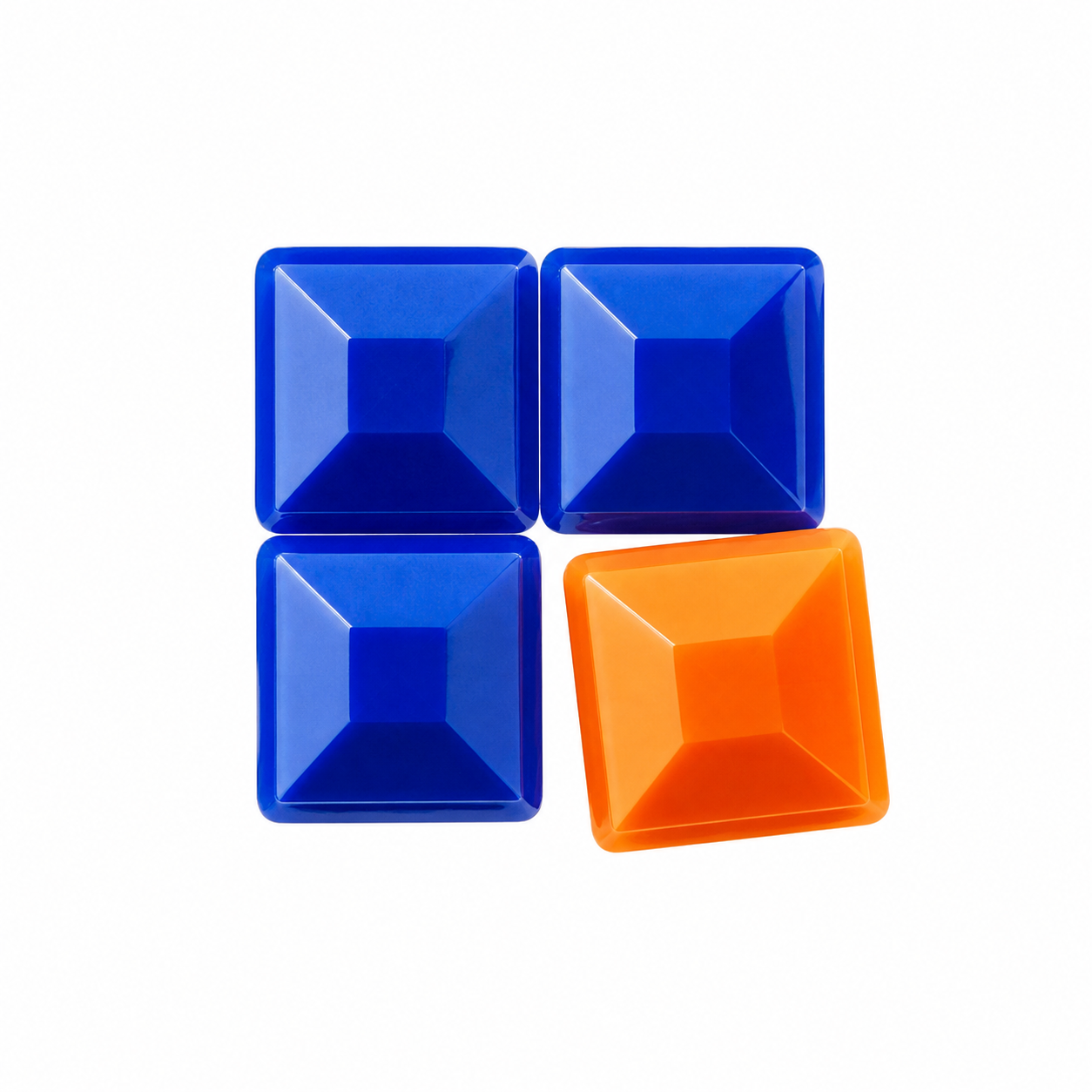
 Diamond Painting Tool
Diamond Painting Tool Guide: Choose by Task
A diamond painting tool should solve a specific problem: picking up drills, reading the symbols, controlling loose resin, or planning the finished size. Start with the task that slows you down instead of buying a large accessory bundle.
Use this diamond painting tool page as a workbench note: test the smallest change on a short section, observe the result and keep the original kit parts until the canvas is complete. The advice below avoids universal product claims because drill size, adhesive and included tools vary between kits.
Start with the problem, not the accessory
Most kits already include a basic pen, a small tray and a square of wax. Use them for one section before upgrading. A wider grip helps when your fingers tighten; a larger tray helps when you repeatedly refill it; a light pad helps only when the printed symbols are hard to distinguish. The useful purchase is the one that removes a repeated interruption.
Check the change on a covered, well-lit area before continuing across the canvas. Keep the legend and spare drills nearby, and stop when extra pressure starts moving neighbouring pieces. A controlled trial takes less time than repairing a full block.
The smallest useful setup
Keep one pen loaded, one tray for the active colour and a lidded container for every open bag. Add labels that match the canvas legend. This modest bench prevents more errors than a drawer of unfamiliar gadgets. Our beginner checklist separates included equipment from upgrades worth considering after your first session.
Check the change on a covered, well-lit area before continuing across the canvas. Keep the legend and spare drills nearby, and stop when extra pressure starts moving neighbouring pieces. A controlled trial takes less time than repairing a full block.
Fix a placement problem
Pickup failure usually points to old wax, a packed tip or too much pressure. Crooked rows often start with a shifted first line, not a missing straightener. Static drills need controlled decanting and a clean tray. Use the symptom guides before changing several parts of your setup at once.
Check the change on a covered, well-lit area before continuing across the canvas. Keep the legend and spare drills nearby, and stop when extra pressure starts moving neighbouring pieces. A controlled trial takes less time than repairing a full block.
Plan before ordering a custom canvas
Canvas dimensions, drill pitch and subject detail affect the result together. Estimate the working area and drill count, then preview the crop with your own photo. A calculator gives a useful range; it cannot promise that a small face or fine lettering will survive the grid.
Check the change on a covered, well-lit area before continuing across the canvas. Keep the legend and spare drills nearby, and stop when extra pressure starts moving neighbouring pieces. A controlled trial takes less time than repairing a full block.
Choose your next route
New starters should open the tool-kit checklist. A comfort or pickup issue belongs in the pen guide. Workspace clutter belongs in storage and setup. A custom-photo project starts with size planning, then moves to the independent preview tool.
Check the change on a covered, well-lit area before continuing across the canvas. Keep the legend and spare drills nearby, and stop when extra pressure starts moving neighbouring pieces. A controlled trial takes less time than repairing a full block.
Use this diamond painting tool advice on your project
The right diamond painting tool decision depends on the interruption you can see: comfort, visibility, sorting, alignment or project scale. Write down the symptom, change one part and review it after a normal session. That process gives you a sound answer without an oversized shopping list.
Continue with beginner tool-kit checklist, pen and pickup guide, workspace setup, or open the size calculator.
A quick bench check
Lay out the included pen, tray, wax and unopened colour bags on a white surface. Mark which task each item covers. If an accessory cannot be tied to a repeated interruption, leave it off the list until the next project. Keep the result with the project notes so a later session starts from evidence rather than memory.
Relevant owned next step
Planning a custom image? Check the photo and crop first, then use DiamondPaintingConverter.com to preview it. The converter is an owned companion tool; it handles image-preview intent while this site handles equipment and technique.
Find the likely fix
Choose the symptom that best matches your project.
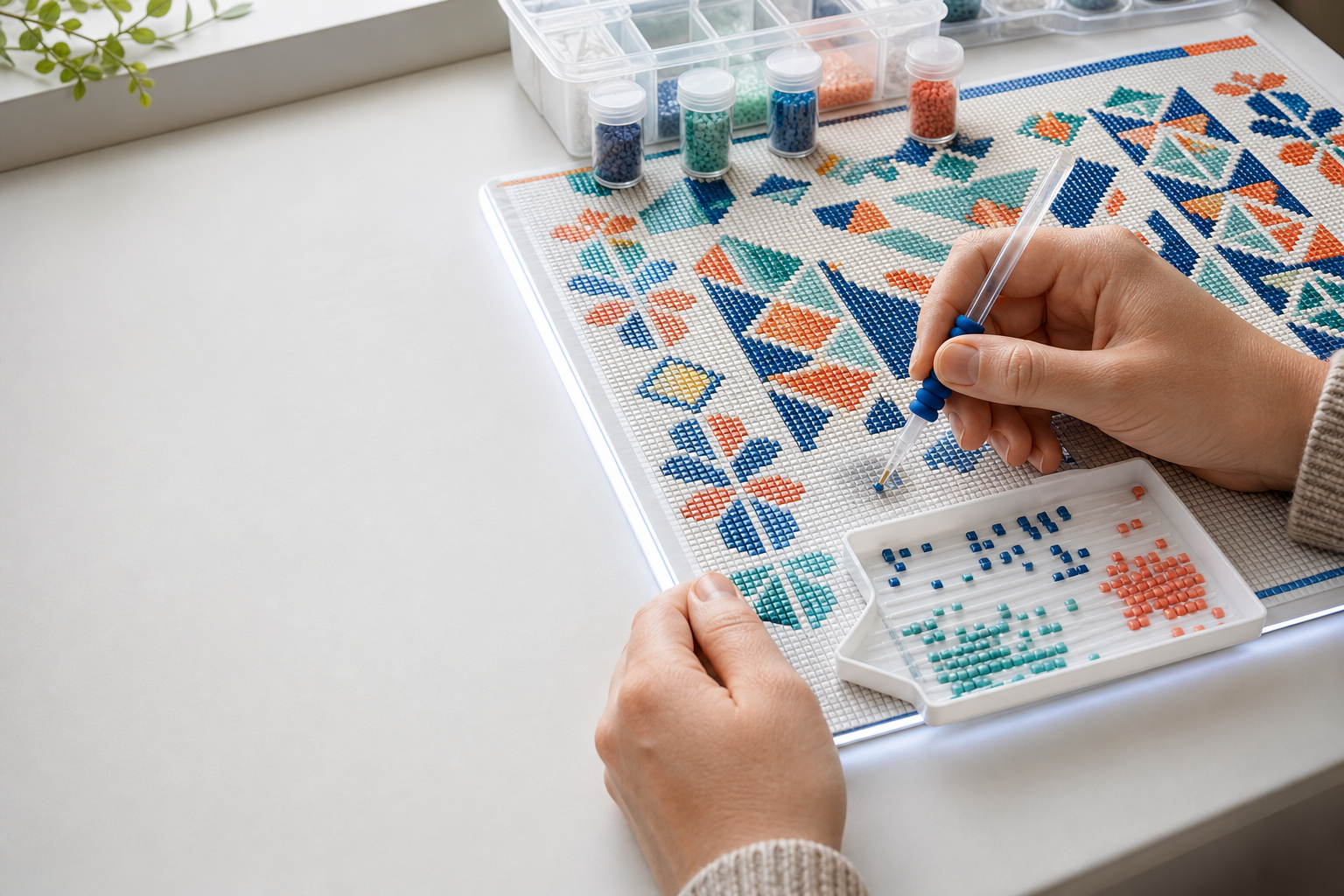
The smallest useful setup
Compare the problem, the useful tool and who can skip it. No box of twenty accessories required.
Test the photo before choosing a canvas
A preview shows where detail disappears. The converter handles the upload; this site helps with canvas size and tools afterwards.
Preview your photo ↗